.jpeg)
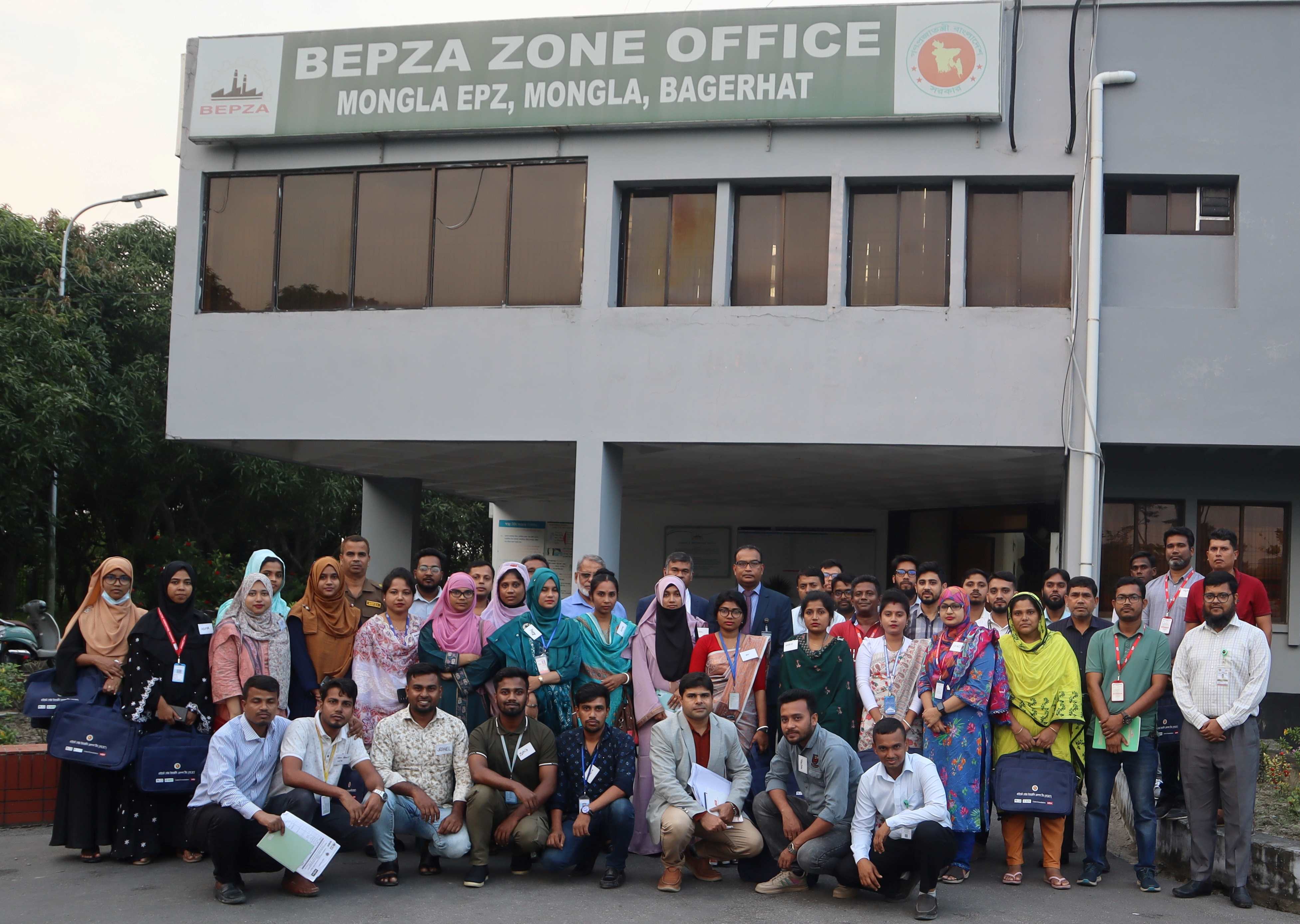
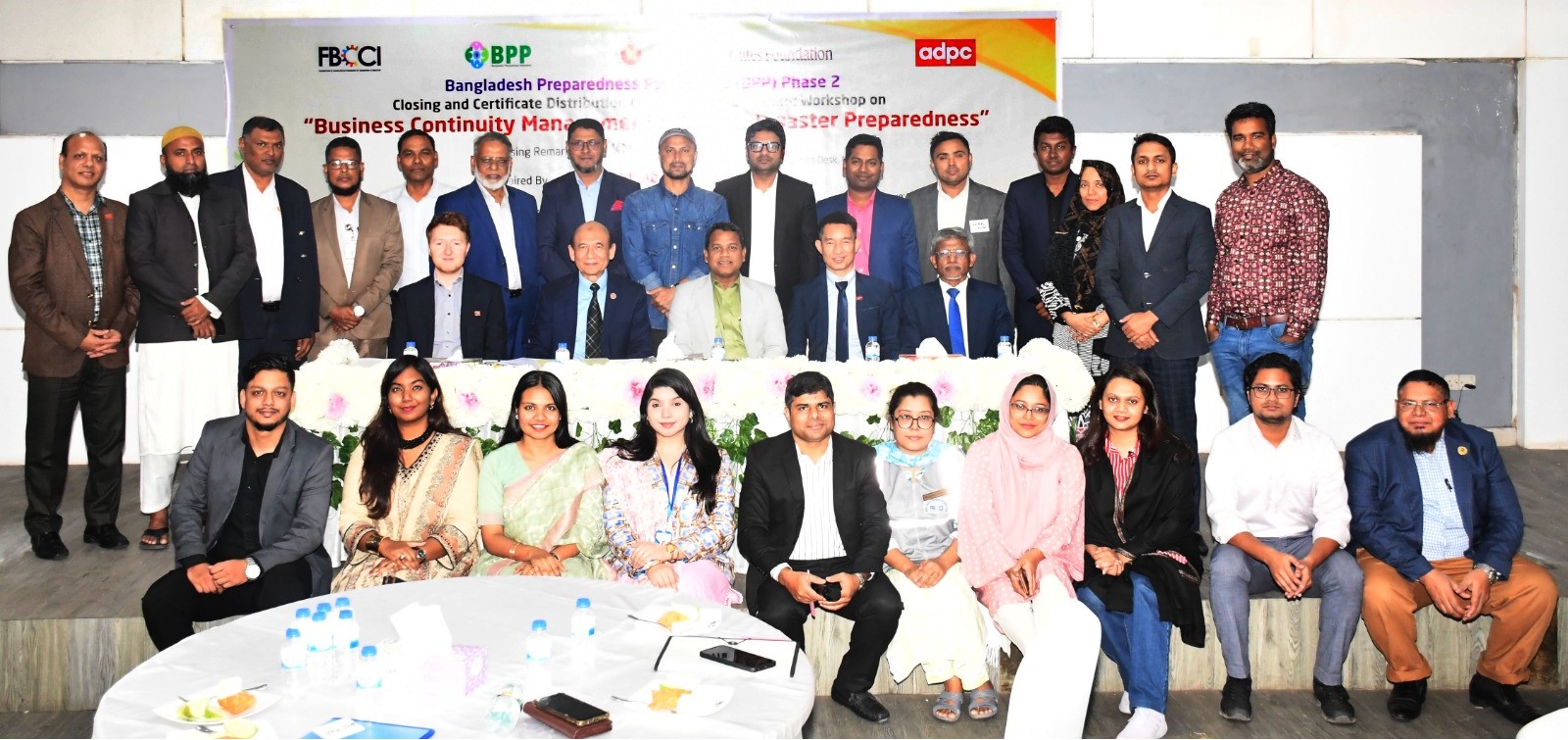
In a major push to insulate the local economy from climate-induced disruptions, a series of high-level validation workshops were recently concluded in Bagerhat and Cox’s Bazar. These sessions, organized by the FBCCI Safety Council in collaboration with the Bagerhat Chambers of Commerce and Industry (BCCI) and Cox’s Bazar Chambers of Commerce and Industry (CBCCI), aimed to finalize a data-driven roadmap for enhancing the resilience of the district’s Micro, Small, and Medium Enterprises (MSMEs).
Bagerhat: Addressing the Frontline of Climate Change
The workshop spotlighted a comprehensive assessment of 303 business entities across Bagerhat Sadar, Mongla, and surrounding areas. The findings presented a sobering reality: 84.16% of local businesses are micro-enterprises with minimal internal capacity to recover from disasters, while 88.12% operate from rented premises, a factor that significantly restricts their ability to invest in resilient infrastructure.
Stakeholders identified waterlogging (80.86%) and flooding (74.92%) as the most pervasive threats to commercial continuity. While early warning systems currently reach over 90% of the population, the report highlighted a critical "action gap," as these messages are not yet being translated into formal Business Continuity Plans (BCPs).
Md. Mominur Rahman, Additional Deputy Commissioner (General) chaired the workshop at Bagerhat on 6 January 2026.
Key attendees included Md. Shaon Hossain Anik, District Relief and Rehabilitation Officer (Assistant Commissioner); Md. Moniruzzaman Hawlader, Convener of the Bagerhat Chamber of Commerce and Industry Safety Cell; and representatives from the District Disaster Management Information Center (DMIC) working group and also the leaders from local business associations.
Cox’s Bazar: Strengthening the Tourism and Trade Hub
A diverse multi-sectoral coalition convened for the session, notably featuring Abu Morshed Chowdhury, Chief Advisor, Cox’s Bazar Chamber of Commerce and Industry (CBCCI); Sheikh Ashikuzaman, Vice-President, CBCCI; and members of the District Disaster Management Information Center (DMIC) working group and also the leaders from local business associations..
The discussion centered on the "preparedness paradox" in the nation’s tourism capital, where cyclones and storm surges pose intensified risks. Assessments of over 300 entities found that only 37% of businesses have received formal safety training, leaving the majority reliant on informal, experience-based coping mechanisms.
A Unified Vision for Coastal Businesses
Both workshops successfully merged local field experience with technical findings to propose four strategic pillars:
• Financial Innovation: Introduction of specialized micro-credit and insurance safety nets.
• Infrastructure Reform: Urgent calls for improved drainage to mitigate chronic waterlogging.
• Resource Mobilization: Deployment of fire-safety equipment and the establishment of communal "safe warehouses."
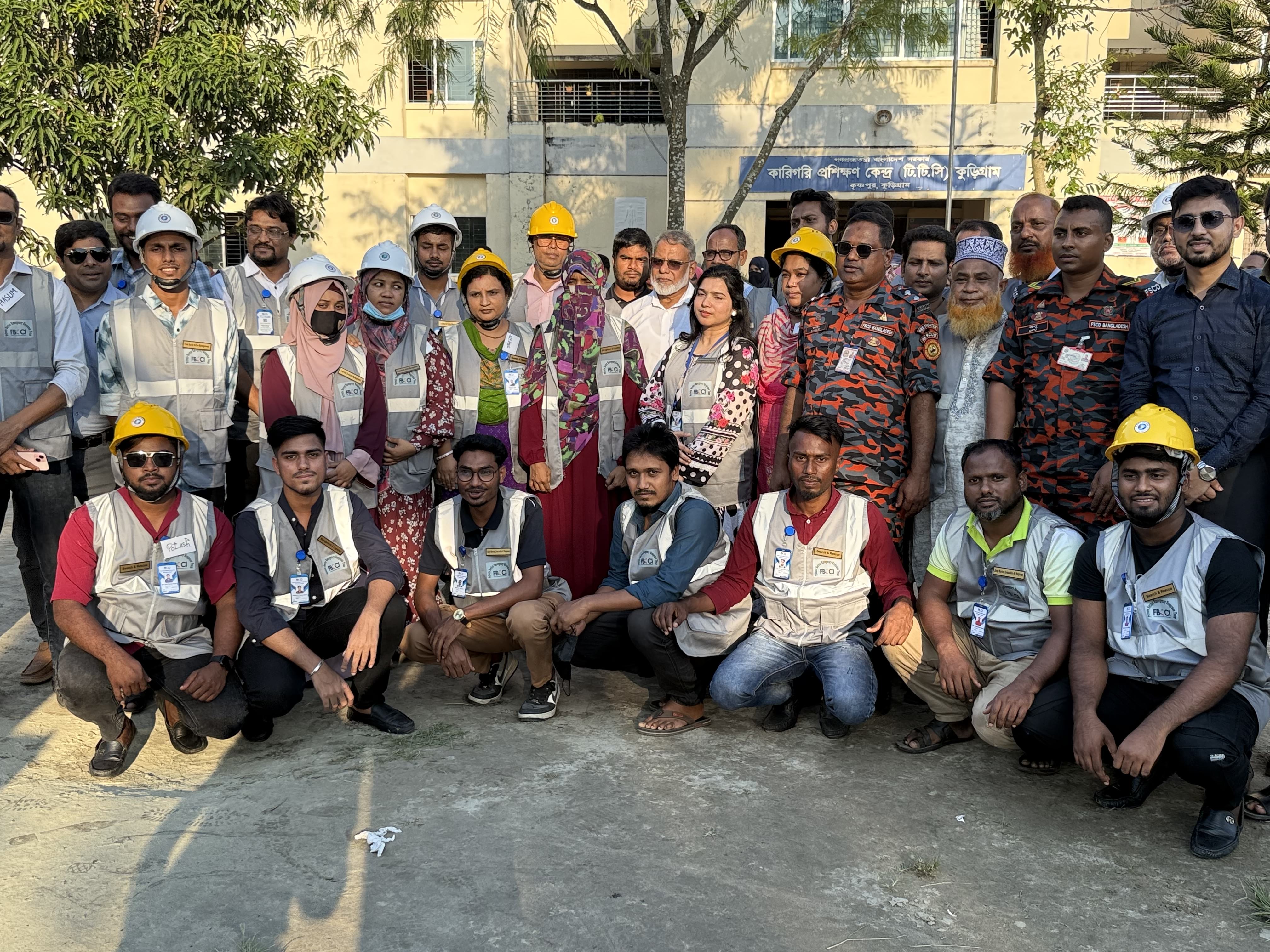
• Capacity Building: Expanding the reach of the Private Sector Emergency Response Teams (PERT) and formalizing disaster management protocols.
By aligning the efforts of the Fire Service and Civil Defence (FSCD), the Cyclone Preparedness Program (CPP), and local chamber safety cells, the initiative establishes a scalable model to ensure that these vital coastal hubs remain resilient engines of national growth.
.jpeg)
.jpeg)
.jpeg)